
January Price Cap Confirmed: Why Gas Is Rising Faster Than Electricity (Essex 2026)

It is now official. On 25 November 2026 Ofgem announced that the energy price cap will rise by 26% from 1 January to 31 March 2027. Earlier this month we looked at the forecasts; now we have the real numbers. The detail that matters most for anyone thinking about a heat pump, solar panels, a battery or an EV charger is that gas is going up much faster than electricity. Here is what it means for homes in Thurrock, Stanford-le-Hope, Corringham and across Essex. This guide is accurate as of 25 November 2026.
How much will energy bills go up in January 2027?
For a typical household paying by Direct Debit for gas and electricity, Ofgem says the annualised figure rises from £1,723 to £2,166 if this level was sustained for a year. Ofgem says the rise is driven by the continued conflict in the Middle East pushing up international gas prices.
The cap covers around 20 million households on standard variable tariffs. Around 10 million households on fixed tariffs will not be affected while their fixed deal lasts.
What are the new unit rates and standing charges?
According to Ofgem's rates page, the average Direct Debit rates across England, Scotland and Wales from 1 January 2027 are:
Electricity: 32.69p per kWh (up from 26.32p), with a standing charge of 54.77p a day (down from 54.83p)
Gas: 10.96p per kWh (up from 7.97p), with a standing charge of 29.65p a day (down from 29.68p)
The government has removed VAT from electricity bills under the cap from 1 October 2026 to 30 June 2027, so the electricity figures exclude VAT. Gas still includes 5% VAT. Your own rates depend on your region, payment method and meter.
Why is gas rising faster than electricity?
Ofgem says gas wholesale prices have roughly tripled since the conflict began, driving a 33% rise in gas bills in the January cap compared with October. Electricity bills are up 19%. Gas still affects electricity prices because it is used to generate power, but Ofgem says its share is falling as more renewables are built, so electricity is rising by less.
Does this make a heat pump more worthwhile?
It narrows the gap. Under the October cap, a unit of electricity cost about 3.3 times a unit of gas. From January, using Ofgem's average figures, it is about 3 times. A heat pump moves heat from the outside air into your home, so it delivers more units of heat than the units of electricity it uses. The closer gas and electricity prices get, the better that works in your favour.
Running costs still depend on your home, insulation, radiators, the system design and your tariff, so we would not promise a saving without looking at your property first. If you are weighing it up, see our heat pump and air conditioning page.
What does a higher electricity rate mean if I have solar panels?
Every unit your panels generate and you use at home is a unit you do not buy at 32.69p. Output is lower in winter, but panels still generate on bright days. A battery lets you store solar for the evening or, on a time-of-use tariff, charge from the grid at cheaper times. Ofgem notes some suppliers offer cheaper electricity at less busy times, usually for customers with a smart meter or low carbon technologies. Find out more about our solar and battery installations.
What about charging an electric car at home?
If you charge on a standard variable tariff, your cost per unit goes up in January. A smart EV charger can be set to charge during cheaper off-peak hours if your tariff offers them.
What help is available with bills this winter?
The government says around 20 million households will receive £100 towards their energy bill from January. The BBC reports payments start from 4 January.
If you are struggling, contact your supplier. Ofgem says suppliers must offer appropriate support, such as affordable repayment plans.
Ofgem says switching to Direct Debit from paying on receipt of bill would save the average customer about £160 over a year.
If anyone in your home needs extra help, you can join your supplier's and network operator's Priority Services Register.
Is it safe to use plug-in heaters to save money?
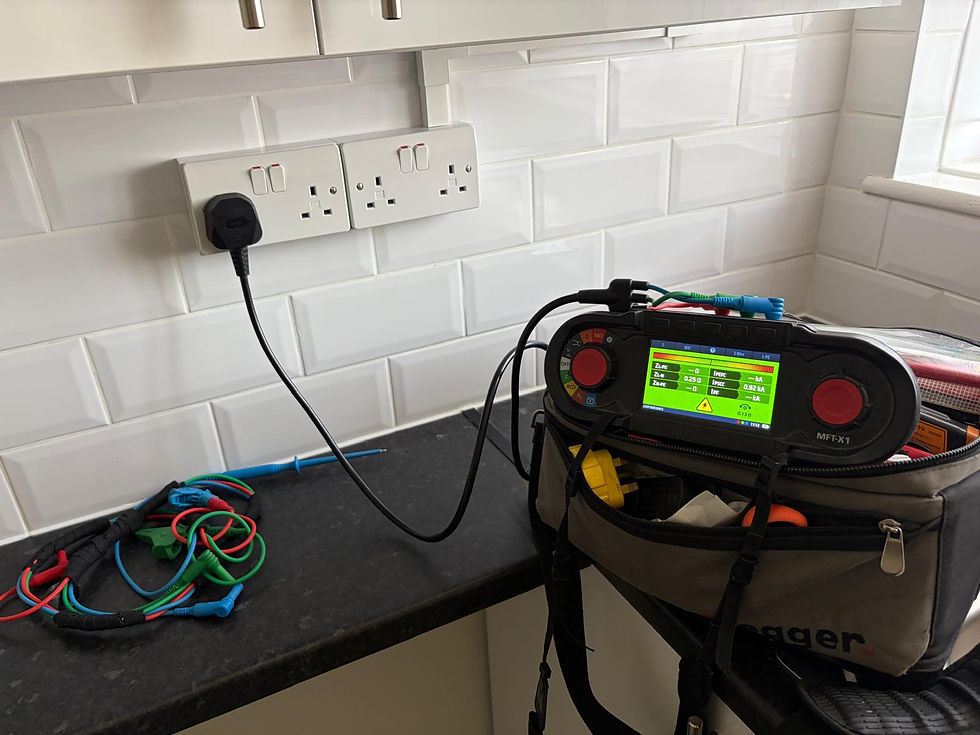
Take care. Plug heaters straight into a wall socket, not an extension lead, keep them clear of curtains and furniture, and do not leave them on unattended. If sockets feel warm or your RCDs keep tripping, have your wiring checked. An EICR shows the condition of your electrics.
FAQ
When does the new price cap start?
1 January 2027. It runs until 31 March 2027.
Does it affect me if I am on a fixed tariff?
Not while your fix lasts.
When is the next price cap announcement?
Ofgem says it will publish the levels for 1 April to 30 June 2027 by 23 February 2027.
Is the cap a limit on my total bill?
No. It limits unit rates and standing charges, so what you pay depends on how much you use.
Want to rely less on gas and grid electricity?
CPW Electrical Solutions LTD is a Thurrock-based electrical contractor, NICEIC approved (607863000) and MCS certified (NIC602214), with £2m public liability and £300k professional indemnity insurance. All work is carried out by our own team. We install solar panels, batteries, heat pumps and EV chargers, and carry out electrical testing for homes and businesses across Stanford-le-Hope, Corringham and the areas we cover. Call 07545 571230 (answered 7am to 7pm) or request a quote.


Comments